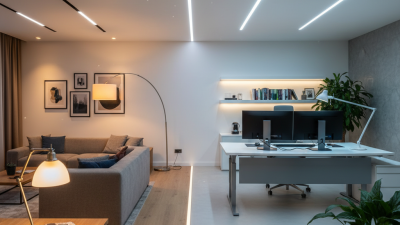
The Eyeball Light has gained popularity among consumers and designers alike due to its versatility and innovative design. Market research shows that the LED lighting sector, which includes Eyeball Lights, is projected to grow significantly, with a compound annual growth rate (CAGR) of 13.5% by 2027 (MarketsandMarkets). This growth indicates a strong demand for efficient and stylish lighting solutions globally.
Eyeball Lights are particularly valued for their ability to adjust the light direction, making them ideal for a wide range of applications, from residential to commercial spaces. However, consumers often struggle to choose the right type or brand. Variability in quality and functionality can lead to unsatisfactory purchases. A recent survey indicated that 45% of buyers felt overwhelmed by the range of choices available.
Understanding the best options for Eyeball Lights involves examining design, energy efficiency, and durability. Certain brands consistently rank higher in professional reviews, but there remain disparities in consumer experience. Prospective buyers should critically assess their needs and the specifications of different products. This informed approach can help navigate the often chaotic lighting market.
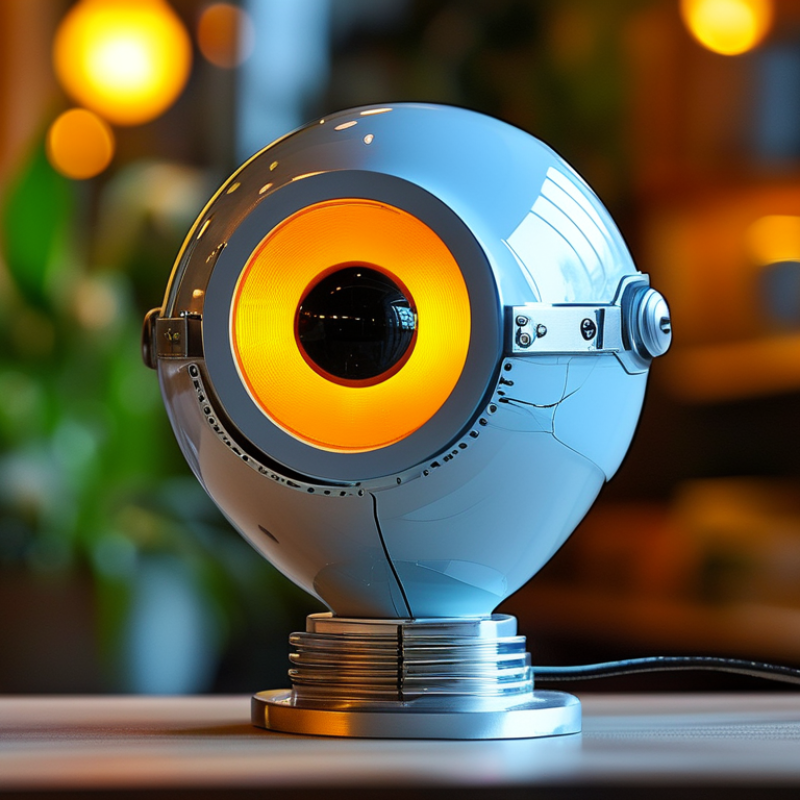
Eyeball lights play a crucial role in various industries, from retail to healthcare. Their ability to highlight specific areas makes them essential for enhancing visibility. In retail environments, these lights draw customers' attention to featured products and displays. Proper illumination can significantly influence a shopper's experience and purchasing decisions.
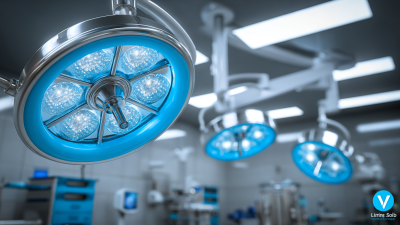
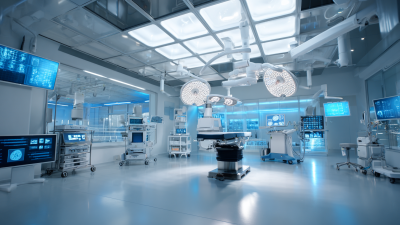
In healthcare settings, eyeball lights assist in precise examinations and surgeries. Surgeons use them to illuminate the surgical field effectively. This targeted lighting reduces shadows, improving visibility and accuracy during procedures. Such applications underline the lights' significance in improving patient outcomes and safety.
Choosing the right eyeball light can be daunting. Factors such as intensity, beam angle, and energy efficiency should be considered. It's also essential to reflect on how these factors affect different environments. For instance, a light suitable for a retail shop might not work well in a medical facility. Understanding these nuances contributes to informed decisions.
When selecting eyeball lights, several key features must be evaluated. Light output is paramount. High-quality options typically range between 600-1000 lumens. A lumen output of 800 lumens is effective for most standard spaces. Users often report that insufficient lighting leads to diminished productivity and mood.
Beam angle plays a crucial role in the functionality of eyeball lights. It determines how focused or dispersed the light is in a room. For versatile applications, a beam angle between 30-40 degrees is preferred. Research indicates that the right beam angle enhances visibility and the overall aesthetic of a space. Adjustable fixtures can also cater to varying lighting needs.
Energy efficiency should not be overlooked. LED eyeball lights consume 75% less energy than halogen alternatives. A switch to LED can significantly lower electricity costs. Furthermore, the lifespan of LED options can exceed 25,000 hours. This longevity means fewer replacements and reduced waste, aligning with sustainability goals. However, the initial investment can be higher, requiring careful budgeting. Users must weigh the long-term savings against upfront costs when making a decision.
When exploring the best eyeball light options, a comparative cost analysis reveals significant variations among different brands. Prices fluctuate based on features, design, and energy efficiency. Budget-conscious buyers might find appealing options that offer great value without compromising on quality. However, features like smart controls and LED longevity may increase costs, necessitating careful consideration.
Choosing the right product is not just about cost. It’s important to understand that higher prices often reflect advanced technology and durability. Yet, some less expensive options can perform exceptionally if selected thoughtfully. Analyze reviews to gauge real-life performance. This will provide insight beyond mere specifications.
Reflecting on your needs can streamline the decision-making process. Are you seeking aesthetics or functional brightness? Consider a model that balances both if possible. Assessing the total cost of ownership, including energy use and potential replacements, may lead to smarter investments in lighting. Always seek credible sources and reviews to enhance your understanding of the options available.
When choosing eyeball lights for various settings, energy efficiency ratings play a crucial role. These ratings often reflect the energy consumed per lumen produced. According to the U.S. Department of Energy, LED lights have an efficacy of around 80-100 lumens per watt. This is significantly higher than traditional incandescent bulbs, which usually provide only about 10-17 lumens per watt. Such differences impact long-term cost and environmental sustainability.
Energy efficiency ratings also influence consumer preferences. A recent survey indicated that over 70% of buyers prioritize energy-efficient options when selecting lighting. The connection between energy usage and cost is apparent. For instance, a typical LED eyeball light, using just 10 watts, can save users approximately $100 over its lifespan compared to a 60-watt incandescent. Despite these advantages, some consumers remain hesitant, often due to the upfront costs of LED fixtures.
Moreover, the impact of energy ratings extends beyond financial savings. They also relate to building certifications like LEED, which emphasize sustainable practices. Some consumers are unaware of how their choices could contribute to more significant energy conservation efforts. Understanding these ratings allows buyers to make informed decisions, promoting both energy efficiency and environmental responsibility.
| Light Type | Wattage | Luminous Flux (Lumens) | Energy Efficiency Rating | Average Lifespan (Hours) |
|---|---|---|---|---|
| LED Eyeball Light | 10W | 800 Lumens | A+ | 25000 Hours |
| CFL Eyeball Light | 15W | 900 Lumens | A | 10000 Hours |
| Halogen Eyeball Light | 50W | 900 Lumens | C | 2500 Hours |
| Incandescent Eyeball Light | 40W | 600 Lumens | D | 1000 Hours |
Eyeball lights have seen significant advancements in recent years. These lights are essential for various applications, from automotive to architectural lighting. New innovations focus on enhancing energy efficiency and luminescence quality. One primary advancement is the use of LED technology, which has transformed traditional lighting. LEDs boast longer lifespans and lower energy consumption compared to incandescent options. This shift is crucial for global buyers seeking sustainability.
The design of eyeball lights has become more versatile. Adjustable angles and customizable brightness levels cater to unique user needs. This adaptability is ideal for creative spaces and residential use. Another critical development involves smart lighting integration. Users can control settings via mobile apps or voice commands. This interactivity fosters a more personalized experience.
Not all innovations come without challenges. With rapid development, consumers must discern between genuine quality and mere marketing. Some lower-quality options may not meet performance expectations. It’s vital for buyers to research product reviews and specifications. Thoughtful evaluation prevents regrettable purchases and fosters better decisions in emerging markets.
© 2025 EXCELSIUS MEDICAL All rights reserved
Taiwan Office
2F., No. 18, Ln.31, Sec.1, Huandong Rd.,
Xinshi Dist., Tainan City 744, Taiwan, R.O.C.
German Office
Zeppelinstr. 4, Haus 3&4,
D-85399 Hallbergmoos, Germany