What Are the Best Eyeball Lights in 2026?
Choosing the best eyeball lights in 2026 requires more than comparing brightness and price. These adjustable recessed fixtures can direct light toward artwork, kitchen counters, reading corners, or dark stair walls. However, a stylish trim cannot compensate for poor glare control or weak color accuracy. This guide examines beam angle, lumen output, color temperature, dimming performance, and installation depth.
During hands-on comparisons, small details became surprisingly important. A narrow beam highlighted one painting beautifully but created harsh shadows nearby. A wider beam felt softer in a hallway. We also checked CRI ratings, flicker behavior, heat management, and compatibility with common dimmers. For shoppers searching “Light In Eyeball,” the phrase may describe an eyeball-style ceiling light, not a separate lighting category. Understanding that difference prevents confusing product searches.
Reliable recommendations should come from more than promotional claims. Manufacturer specifications, independent safety certifications, warranty terms, and installation instructions deserve equal attention. Look for recognized marks such as UL or ETL where applicable, and confirm whether the fixture suits damp locations. A qualified electrician should review wiring, insulation contact, and local requirements. Some products performed well on paper yet felt disappointing in a real room. That is worth admitting. The best choice depends on ceiling height, room purpose, visual comfort, and how often the light will be adjusted. This 2026 overview aims to make that decision clearer, practical, and easier to verify.
What Are Eyeball Lights and How Do They Work?
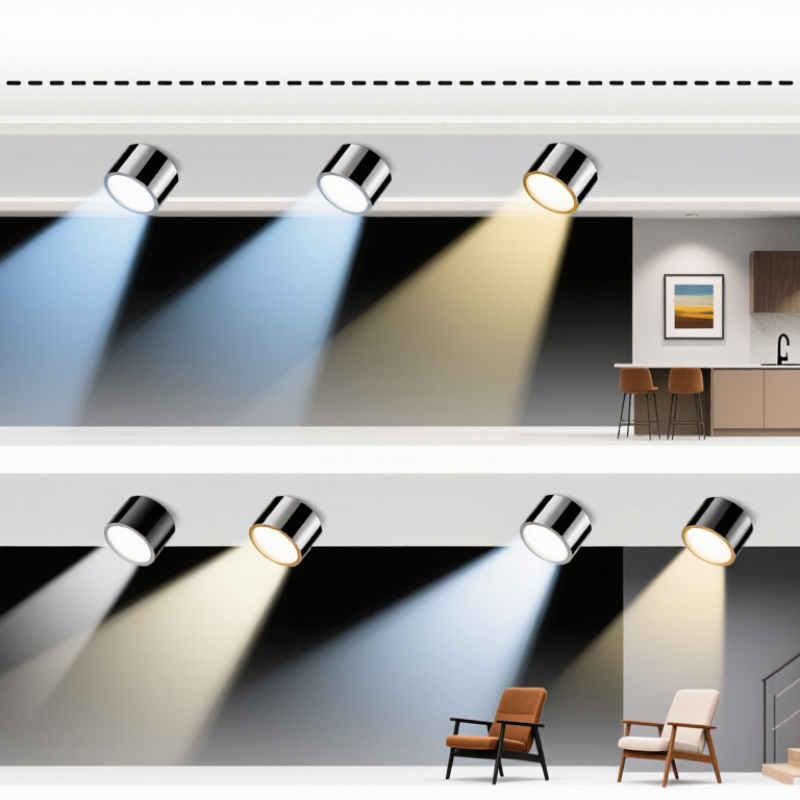
Eyeball lights are recessed fixtures with an adjustable inner “eyeball.” The lamp rotates inside the housing. This movement directs light toward artwork, worktops, reading chairs, or darker corners. Unlike fixed downlights, they can change aim without moving the ceiling cutout.
Their performance depends on the LED module, beam angle, lumen output, color temperature, and glare control. A 24-degree beam creates a tighter spotlight. A 60-degree beam spreads light across a wider surface.
Most modern eyeball lights use LEDs, which produce less heat than older lamps. The U.S. Department of Energy reports that LEDs can use at least 75% less energy and last up to 25 times longer than incandescent lighting. That figure is useful, but real results depend on dimming, ventilation, and operating hours. Poorly matched dimmers can cause flicker. Small details matter. The International Energy Agency has reported that lighting still represents about 15% of global electricity use, making efficient aiming especially important in larger spaces.
Installation also affects safety and comfort. Insulation-contact ratings matter when fixtures sit near ceiling insulation. Airtight housings can reduce unwanted air leakage.
I have found that a highly adjustable light is not always the best light. It may create harsh bright spots if aimed carelessly. A softer trim, lower brightness, and warmer 2700K to 3000K color can feel more natural in living areas, while 3500K to 4000K may reveal detail in kitchens or workshops.
Key Features to Compare in Eyeball Lights
When comparing eyeball lights in 2026, start with beam control, not appearance. A 24–36-degree beam creates a focused pool on artwork, shelves, or a kitchen island. Wider beams suit general lighting but may produce uneven patches on the floor. Check the tilt range and rotation separately. Some fittings swivel well but stop short when installed near a wall. That small detail matters.
Color quality deserves equal attention. Choose a color rendering index of 90 or higher for kitchens, wardrobes, and artwork. Look for a strong R9 value, which helps red food, timber, and skin tones appear less grey. The U.S. Department of Energy reports that LED lighting can use at least 75% less energy than incandescent lighting and last up to 25 times longer.
However, efficiency claims can hide poor dimming or excessive glare. Test the light with your actual dimmer. Flicker may remain invisible until a phone camera reveals dark bands. The Illuminating Engineering Society also stresses controlled luminance and visual comfort in lighting design. Warm 2700–3000K light often suits bedrooms, while 3500–4000K may improve task visibility. It is not universal. A cooler lamp can feel harsh against pale walls. Verify lumen output, trim depth, heat management, and replacement access before installation. Safety certification to the relevant IEC 60598 requirements should also be visible in the technical documentation.
Best Eyeball Lights for Different Room Types in 2026
The best eyeball lights in 2026 depend on the room, not only on brightness. Adjustable recessed fixtures can direct light toward artwork, worktops, or seating areas.
The U.S. Department of Energy reports that LED lighting uses at least 75% less energy than incandescent lighting and lasts up to 25 times longer.
Look for tested dimming performance, heat control, and a color rendering index of 90 or higher.
Start with the task.
In living rooms, choose 2700K–3000K light, a 24–36-degree beam, and adjustable aiming for walls or reading chairs. Bedrooms usually need softer 2700K light and wider beams, reducing harsh shadows near wardrobes.
Kitchens benefit from 3000K–3500K light, 36–60-degree beams, and careful spacing above counters. One fixture can still create dark work zones. That mistake is common.
Bathrooms need damp-location suitability, strong color accuracy, and glare control around mirrors. A 3000K setting often keeps skin tones natural without feeling clinical. Home offices may perform better at 3500K–4000K, but cooler light is not automatically better.
Glare changes everything.
The U.S. DOE’s 2023 Solid-State Lighting R&D Opportunities report highlights controllability and visual quality as continuing priorities. I would also test the actual trim beside the wall finish; glossy tile can reflect an attractive beam into an irritating hotspot. Specifications help, but real rooms remain imperfect.
How to Choose the Right Eyeball Light for Your Space
The best eyeball lights in 2026 are not automatically the brightest or most expensive. They are the fixtures that direct useful light without creating harsh glare. I learned this after installing narrow-beam lights over a kitchen island. The counters looked dramatic, but nearby faces appeared shadowed. That choice was too aggressive.
Start with the room’s purpose. A 24- to 36-degree beam can highlight artwork, shelving, or a textured wall. Wider beams usually work better for general lighting in bedrooms and living areas. Choose a warm 2700K to 3000K color temperature for relaxed spaces. A cooler setting may suit work areas, but it can feel sterile at night. High color rendering, preferably a CRI of 90 or above, helps wood, food, and fabrics appear more natural.
Check the eyeball mechanism before buying. It should tilt smoothly and hold its position without drooping. Look for adequate adjustment range, a recessed glare shield, and dimming compatibility with your electrical system. Wet or damp locations require fixtures rated for those conditions. Ceiling insulation also matters, so confirm the housing requirements and local installation standards. A qualified electrician should verify wiring, load limits, and ceiling clearance.
I would also avoid placing every light in a perfect grid. That looks tidy on a plan, yet it can flatten the room. Test one fixture at night with a temporary lamp or mock-up. Small changes in angle can reveal an overlooked shadow. My own first layout still needed adjustment.