China Top 10 Surgical Light Manufacturers for Global Buyers
Choosing the right surgical lighting partner requires more than comparing brightness, price, or product photographs. This guide introduces China’s top 10 surgical light manufacturers for global buyers, focusing on practical evidence rather than promotional language. It examines product design, manufacturing experience, quality management, export capability, and after-sales support.
A dependable Light Surgical manufacturer should offer stable illumination during long procedures. Key details include shadow reduction, color rendering, adjustable intensity, sterile handle design, and smooth arm movement. Buyers should also inspect installation requirements, warranty terms, spare-part availability, and technical training. A well-designed operating light should move quietly and remain steady above the surgical field.
The selected manufacturers are assessed through public company information, product portfolios, certifications, and international service records. However, public materials cannot reveal every factory condition. Some claims still require direct verification, factory audits, sample testing, or discussions with hospital users. That limitation matters.
No ranking is permanently perfect.
Market positions change, product lines develop, and service quality may differ by region. A manufacturer with strong equipment may have limited local support in another country. Buyers should therefore compare actual specifications, not only brand reputation. They should also confirm whether certifications meet the requirements of their destination market. This article is intended to support careful supplier screening and informed purchasing decisions. It does not replace clinical evaluation, professional procurement procedures, or independent compliance review.
Definition and Role of Surgical Lights in Modern Operating Rooms
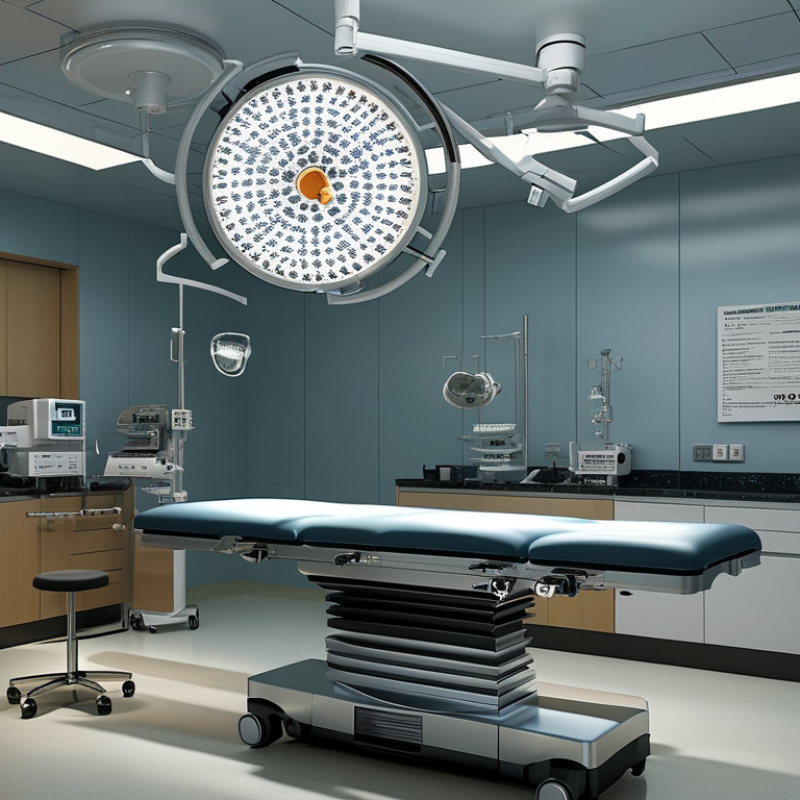
Surgical lights are specialized medical luminaires that illuminate the operative field without distorting tissue color. They reduce shadows when hands, instruments, or the surgeon’s head interrupt the beam. Modern systems usually combine adjustable intensity, sterile controls, multiple light heads, and low radiant heat. The IEC 60601-2-41 standard defines safety and performance requirements for surgical and diagnostic luminaires. Compliance matters more than attractive specifications.
Their role extends beyond visibility. Accurate color rendering helps clinicians distinguish tissue, blood vessels, and subtle changes during procedures. Balanced illumination can also reduce eye strain during long operations. The World Health Organization reports that more than 300 million major surgical procedures occur globally each year. This scale makes dependable operating-room lighting a practical safety issue, not a luxury. A 2009 study published in The New England Journal of Medicine found that using the WHO Surgical Safety Checklist reduced major complications from 11.0% to 7.0%. Lighting alone cannot create safe surgery. Still, poor illumination can disrupt concentration and increase avoidable adjustments. Brightness is not quality. Hospitals should assess shadow control, color rendering, heat management, cleaning access, backup performance, and surgeon feedback. One weakness remains: laboratory measurements may not reflect every surgeon’s visual needs. Real operating-room trials deserve more attention.
China Top 10 Surgical Light Manufacturers for Global Buyers
Definition and Role of Surgical Lights in Modern Operating Rooms
Surgical lights provide shadow-reduced, high-illumination lighting for precise tissue visualization while supporting color accuracy, thermal comfort, and sterile workflow. The chart summarizes representative specification ranges commonly used in modern LED operating-room lights; it does not compare individual companies or brands.
Reference basis: representative LED surgical-light specifications and the performance framework of IEC 60601-2-41. Actual values vary by model, configuration, and regulatory market.
China’s Top 10 Surgical Light Manufacturers for Global Buyers
China’s Top 10 Surgical Light Manufacturers for Global Buyers deserve closer evaluation as operating rooms demand safer, clearer illumination. MarketsandMarkets’ Surgical Lights Market report forecasts steady global growth through 2028, supported by hospital upgrades and outpatient procedures. This trend increases pressure on Chinese manufacturers to deliver consistent quality, not only competitive prices.
A practical comparison should examine illuminance, color rendering, shadow dilution, and heat management. Many modern surgical lights provide around 160,000 lux, adjustable color temperatures, and high CRI performance. Buyers should verify these figures through test reports, not catalog claims. Compliance with IEC 60601-2-41 is essential for surgical luminaires. ISO 13485 certification also indicates a controlled medical-device quality system. However, certification alone does not prove reliable field performance.
Procurement teams should inspect sterile handles, balance arms, backup batteries, and cleaning resistance. Ask for factory acceptance records and service response times. Fortune Business Insights identifies LED adoption as a major driver in the surgical lighting market, but LED efficiency can hide weak thermal design. That matters.
A ranking is never perfect. Export experience, installation training, and spare-part availability may matter more than a higher brightness figure. Global buyers should request installation references from comparable hospitals and review warranty exclusions carefully. Small details often decide operating-room reliability.
Product Features, Certifications, and Export Capabilities to Compare
When comparing the top 10 surgical light manufacturers, buyers should examine measurable performance, not showroom appearance. Fortune Business Insights estimated the global surgical lights market at about USD 1.47 billion in 2023. Its report projects continued growth through 2032, driven by hospital upgrades and outpatient surgery. Look for 160,000 lux or higher, adjustable color temperature, strong CRI, and stable shadow control. A low-heat LED head matters during long procedures. Sterile handles should withstand repeated cleaning without loose movement. Small details often decide usability.
Certification evidence deserves careful review. ISO 13485 indicates a structured medical-device quality system, while IEC 60601-1 addresses basic electrical safety. IEC 60601-2-41 focuses specifically on surgical and diagnostic luminaires. IEC 62471 helps assess photobiological risks from light exposure. European buyers should verify applicable Medical Device Regulation documentation, not only a printed conformity mark. U.S. shipments may require valid FDA 510(k) clearance. WHO reports that approximately one in ten patients experiences harm during healthcare delivery, making lighting reliability part of wider safety management. Still, certification does not guarantee excellent clinical ergonomics.
Export capability appears in practical documents. Request multilingual manuals, packing specifications, warranty terms, spare-parts lists, and installation validation records. Confirm factory test reports for illumination, color rendering, electrical leakage, and battery backup. Check whether the supplier supports local registration and trained service engineers. Export data should match the actual production site and declared customs information. No checklist is perfect. A sample installation, surgeon feedback, and a six-month maintenance plan often reveal weaknesses that polished brochures hide.
How to Select the Right Chinese Surgical Light Supplier
China Top 10 Surgical Light Manufacturers for Global Buyers
How to Select the Right Chinese Surgical Light Supplier
The Lancet Commission on Global Surgery reported in 2015 that five billion people lacked access to safe, affordable surgical care. Reliable lighting remains essential in expanding operating capacity. Global buyers should examine suppliers beyond catalog photos and low prices.
Request photometric test reports for illuminance, color rendering, color temperature, and shadow dilution. A suitable surgical light often delivers around 160,000 lux at the field, depending on its intended use. Confirm testing against IEC 60601-2-41, not only general electrical standards. Ask whether the factory maintains ISO 13485 certification and controlled production records. These documents matter when a light fails during a long procedure.
Visit the assembly line if possible. Check cable routing, sterile handle design, heat management, and emergency power behavior. Ask for ten-year spare-parts availability. A supplier should explain installation, training, warranty exclusions, and response times in writing. Do not accept “medical grade” as evidence. It is too vague.
The strongest suppliers provide sample testing and traceable serial numbers. Compare actual test results from several units, not one perfect sample. A polished showroom can still hide inconsistent optical performance. I would also inspect units after repeated arm movement, because loose joints may appear only after months. That step is easy to miss. Procurement teams should record every gap, even minor ones, before signing.