Choosing the right Orthodontic Adhesive is crucial for dental practices. The market for orthodontic materials has been growing steadily. According to a recent report by Research and Markets, the orthodontic market is expected to reach $8.38 billion by 2026. This growth emphasizes the importance of selecting high-quality adhesive products that ensure effective bonding and patient satisfaction.
Orthodontic Adhesives play a vital role in treatment success. The adhesive must provide strong bonding yet allow for easy removal. Inconsistent adhesive performance can lead to bracket failures, increasing treatment time. Reports indicate that bracket debonding occurs in 2-3% of cases each month, signifying that the choice of adhesive impacts patient outcomes.
Practitioners often express concerns regarding the variability of adhesive formulations. Not all adhesives are equal; some may work better with specific brackets and wires. Choosing the best Orthodontic Adhesive requires careful consideration and experience. Relying on peer-reviewed studies, clinical trials, and product reviews can guide practitioners in making informed decisions. Balancing cost and performance is essential and warrants reflection on recent adhesive advancements.
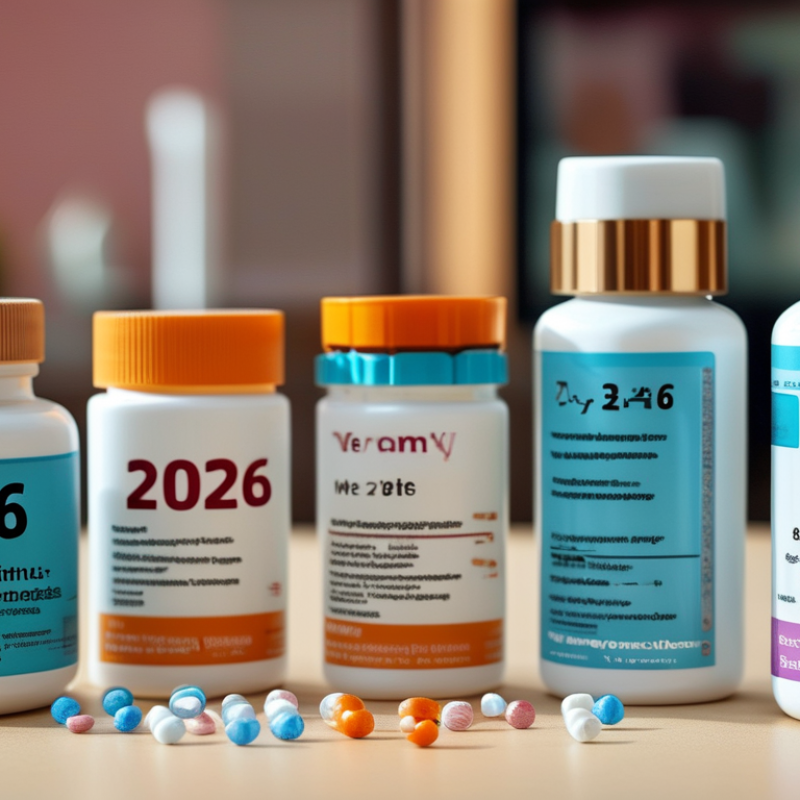
Choosing the right orthodontic adhesive is crucial for effective patient care. Orthodontic adhesives come in various types, each with unique properties. Understanding these properties can enhance practice outcomes.
For instance, light-cured adhesives offer quick setting times and are less sensitive to moisture. According to a 2022 survey by the American Journal of Orthodontics, over 70% of orthodontists prefer light-cured options due to their convenience. On the other hand, chemical-cured adhesives may provide a stronger bond under certain conditions. This type is beneficial in challenging environments but may take longer to set.
Recent studies indicate that composite resin adhesives, which incorporate fluoride, can help in reducing demineralization around brackets. This feature is increasingly important, especially as dental health awareness rises. While these advancements are promising, some practitioners express concerns over the removability of these materials. Balancing adhesion strength with the ease of removal is a common challenge faced in practice. Understanding the nuances of each adhesive type can lead to better treatment protocols and patient satisfaction.

Choosing the right orthodontic adhesive is crucial for successful treatments. Evaluating the mechanical properties of these adhesives provides valuable insights. Key properties include tensile strength, shear strength, and bonding durability. These factors significantly affect treatment outcomes and patient satisfaction.
Tensile strength measures how well the adhesive can resist pulling forces. Shear strength assesses its capability under lateral pressure. A good adhesive needs to maintain strong bonds even under continuous stress. Durability is essential. Adhesives should withstand oral conditions without degrading over time.
It's also important to consider ease of application. Some adhesives can be tricky to work with. Practitioners should evaluate how easily the adhesive can be applied to various appliances. Compatibility with different bracket materials is another aspect to examine. Making informed choices will enhance practice efficiency and patient care, ensuring successful orthodontic results.
| Adhesive Type | Shear Strength (MPa) | Tensile Strength (MPa) | Curing Time (minutes) | Bonding Time (minutes) | Viscosity (Pa·s) |
|---|---|---|---|---|---|
| Type A | 7.5 | 5.0 | 2 | 10 | 300 |
| Type B | 6.8 | 4.5 | 1.5 | 12 | 250 |
| Type C | 8.0 | 5.5 | 3 | 8 | 280 |
| Type D | 7.2 | 4.8 | 2.5 | 9 | 320 |
When selecting orthodontic adhesives, biocompatibility and safety are critical. These factors ensure that the materials used do not cause adverse reactions in patients. The adhesives must meet safety standards to protect both the practitioner and the patient. This requires a careful examination of materials used in manufacturing.
Bio-safety assessments should include tests for inflammatory responses and long-term effects. Ask suppliers for documentation that proves their adhesives have undergone rigorous testing. Look for evidence of clinical studies supporting their safety claims. The best adhesives should not only perform well but also align with the highest safety criteria.
Tip: Regularly review the latest research on orthodontic materials. Staying updated is crucial for safe practice.
Pay attention to how different adhesives interact with oral tissues. Some may offer excellent bonding yet possess harmful chemical properties. Not all products are suitable for every case; customize your choice based on patient needs.
Tip: Keep a log of patient feedback related to adhesive choices. This can guide future decisions and improve safety.
When selecting orthodontic adhesive, cost-effectiveness and long-term performance are vital. Research shows that practices often overlook the hidden costs associated with low-quality adhesives. A recent study found that poor adhesive performance can lead to increased re-treatment rates. This not only affects patient satisfaction but can also incur higher costs in the long run.
Moreover, a 2022 survey indicated that over 70% of orthodontists reported concerns about bond failure with cheaper adhesives. Each bond failure requires additional chair time and resources. Implementing an adhesive that ensures strong, lasting bonds may initially seem more expensive, but it ultimately saves money and time for practitioners. The trade-off between upfront costs and long-term durability is significant in today’s competitive environment.
Patient comfort and treatment efficacy are also essential. High-quality adhesives contribute to quicker, more effective treatments. They minimize the likelihood of emergency visits due to bond failures. Ultimately, when choosing orthodontic adhesives, consider not just the initial price but the overall impact on practice efficiency and patient care. Making an informed decision can lead to better outcomes for both the practice and patients.
Choosing the right orthodontic adhesive is crucial for successful treatments. Various factors can influence this decision. Material compatibility is key. A recent study highlighted that certain adhesives bond better with specific brackets and dentition materials. Understanding these interactions can optimize treatment outcomes.
In cases with high flexural stress, such as in adolescents, adhesive strength should be prioritized. Data reveals that around 70% of practitioners report bracket failures are linked to adhesive issues. Peer-reviewed reports recommend evaluating the shear bond strengths of adhesives. This helps ensure longevity and stability in orthodontic work.
Temperature and humidity also play significant roles. For instance, adhesives often perform differently in extremely humid conditions. This variability can lead to inconsistencies in bonding strength. Conducting a thorough analysis of the clinical environment is essential for achieving the best results. These reflections help in making evidence-based choices for adhesive selection.
© 2025 EXCELSIUS MEDICAL All rights reserved
Taiwan Office
2F., No. 18, Ln.31, Sec.1, Huandong Rd.,
Xinshi Dist., Tainan City 744, Taiwan, R.O.C.
German Office
Zeppelinstr. 4, Haus 3&4,
D-85399 Hallbergmoos, Germany
