
What Is Fountain Construction and How Does It Work?
Fountain Construction combines architecture, hydraulics, electrical planning, and careful site work. It turns a design idea into a controlled water system. A fountain may look effortless, but every stream depends on accurate calculations, suitable materials, and disciplined installation.
Mark Fuller, founder of WET, described water as “the most dynamic, poetic, and powerful element in nature.” His observation explains the appeal of modern fountains. Water moves, reflects light, carries sound, and changes with weather. Yet beauty cannot replace engineering. A construction team must study the ground, measure available space, and identify the fountain’s purpose. Is it a quiet courtyard feature, an interactive public installation, or a large architectural centerpiece?
The process usually begins with design drawings and a site survey. Engineers calculate flow rates, pump capacity, pipe sizes, nozzle pressure, and drainage needs. Waterproof concrete, reinforced basins, filters, and access panels support long-term performance. Electrical components also require protected installation and professional inspection. Small details matter. A blocked filter can weaken every jet. An uneven basin can make water spill where nobody planned.
Maintenance should shape the design from the beginning. Operators need safe access to pumps, valves, lighting, and filtration equipment. Energy use deserves attention too. Variable-speed pumps and recirculating systems can reduce waste, though they are not perfect solutions. Real projects often reveal unexpected problems, including noise, algae, splash, or difficult repairs. That is why experienced contractors test the system repeatedly before opening it to the public. This guide explains how Fountain Construction works, what each stage requires, and where attractive designs may still need honest improvement.
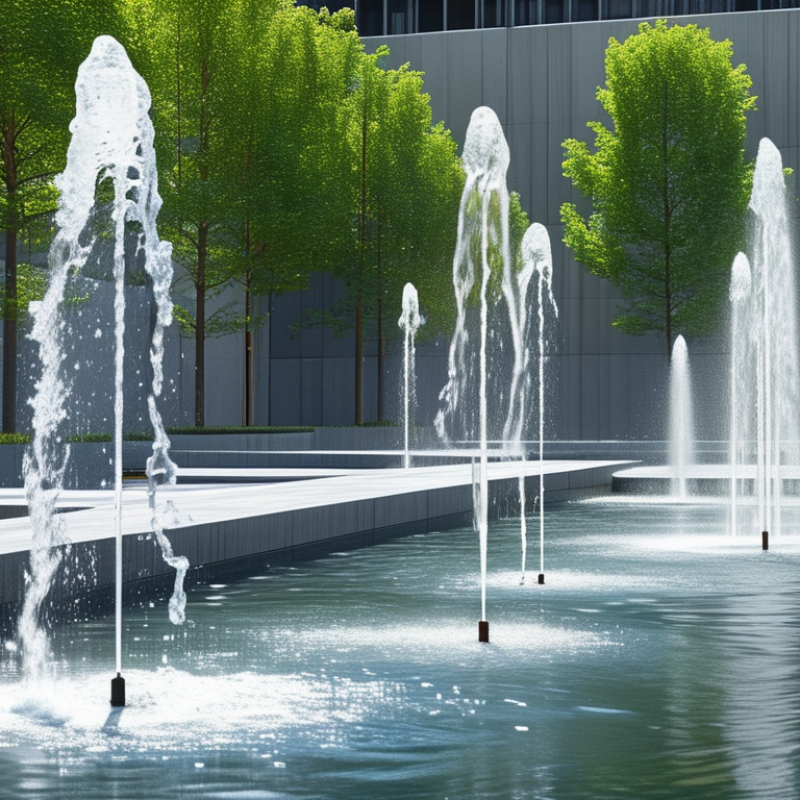
Fountain Construction: Definition, Purpose, and Main Components
What Is Fountain Construction and How Does It Work?
Fountain construction is the planned process of building a water feature for visual appeal, cooling, sound, or public gathering. It combines site preparation, structural work, plumbing, electrical control, and water treatment. In practical construction, the fountain must suit its surroundings. A shallow courtyard basin needs different engineering from a large interactive installation.
The main components include a basin, waterproof lining, pump, pipes, nozzles, filters, and control equipment. The pump pushes water through the pipes and nozzles. The nozzles shape the flow into jets, sheets, or gentle streams. Water then returns to the basin, allowing continuous circulation. Drainage and overflow systems help manage heavy rain and maintenance cleaning. Safety matters too. Non-slip surfaces, protected wiring, and suitable water depth reduce common risks. Small design errors can become expensive later. I have found that access for pump repairs is often overlooked during early planning.
Tips: Check soil conditions before excavation. Keep pump access visible and dry. Test water flow before final paving. Choose durable, weather-resistant materials. Do not assume the first layout is the best one. A simple trial can reveal noise, splash, or uneven water movement. Regularly remove debris and inspect seals, filters, and electrical protection. Local construction requirements should also be reviewed by qualified professionals, because site rules can vary.
What Is Fountain Construction and How Does It Work? — Fountain Construction: Definition, Purpose, and Main Components
| Construction Area | Main Component or Stage | Purpose | Typical Materials or Parameters | How It Works | Important Design Considerations |
|---|---|---|---|---|---|
| 1. Planning | Site assessment and concept design | Defines the fountain’s appearance, operating purpose, water movement, and safety requirements. | Site survey, water-demand estimate, circulation layout, electrical-load assessment, and hydraulic calculations. | Designers calculate required flow, pressure, pipe sizes, basin volume, and pump capacity before construction begins. | Consider sunlight, wind, public access, drainage, noise, local regulations, and access for maintenance. |
| 2. Structural Base | Foundation, basin, or supporting structure | Supports the fountain and holds or directs the circulating water. | Reinforced concrete, masonry, fiberglass, stainless steel, waterproof membranes, stone, or ceramic finishes. | The base resists structural loads while the basin collects water and returns it to the circulation system. | The structure must be level, watertight, frost-resistant where necessary, and able to withstand settlement and hydrostatic pressure. |
| 3. Water Storage | Basin, reservoir, or collection tank | Stores water and provides a continuous supply for recirculation. | Open basin or concealed tank; usable volume is determined by the fountain’s flow rate and operating cycle. | Water falls or drains into the basin, passes through an intake, and is sent back to the outlets by the pump. | Provide overflow protection, low-water protection, debris access, make-up water, and adequate freeboard to limit splashing. |
| 4. Pumping | Recirculation pump | Moves water from the reservoir to the fountain outlets. | Submersible or dry-installed centrifugal pump; selection is based on flow rate, total dynamic head, and duty cycle. | The impeller converts motor energy into water flow and pressure, overcoming elevation and pipe friction losses. | The pump must be accessible, correctly sized, protected from running dry, and compatible with the water temperature and chemistry. |
| 5. Piping | Intake, supply, return, and drain lines | Directs water between the basin, pump, outlets, filtration equipment, and drainage points. | PVC, polyethylene, stainless steel, or other water-compatible piping; valves regulate isolation and flow. | Pressurized supply pipes deliver water to nozzles, while gravity or pumped return lines carry water back to storage. | Pipe diameter, bends, length, and elevation affect friction loss, pressure, noise, and the final water pattern. |
| 6. Water Display | Nozzles, weirs, spillways, or jets | Shapes the water into vertical jets, sheets, cascades, bubbles, or flowing streams. | Adjustable nozzles, laminar-flow outlets, overflow edges, air-mixing fittings, and corrosion-resistant components. | Outlet geometry converts pump pressure into a controlled water pattern; flow and pressure determine height and reach. | Select outlets according to desired visual effect, wind conditions, splash control, cleaning access, and available pump performance. |
| 7. Filtration | Strainers, filters, and water-treatment equipment | Removes debris and helps control particles, algae, scale, and unpleasant water conditions. | Pump strainers, screen filters, cartridge or media filters, skimmers, ultraviolet treatment, and properly managed chemicals. | Water passes through physical or treatment stages before returning to the basin or display outlets. | Cleaning frequency depends on debris load, sunlight, water temperature, operating hours, and the fountain’s water volume. |
| 8. Electrical System | Control panel, wiring, protection, and sensors | Supplies and controls power for pumps, lights, valves, timers, and safety devices. | Ground-fault protection, circuit breakers, motor starters, timers, variable-speed drives, level sensors, and weatherproof enclosures. | Controls start, stop, speed, sequencing, and automatic shutdown when unsafe water levels or electrical conditions are detected. | Electrical work must follow applicable codes, use suitable enclosures, and separate electrical equipment from accessible water areas. |
| 9. Lighting and Controls | Underwater or architectural lighting | Improves nighttime visibility and emphasizes water movement and architectural details. | Low-voltage underwater fixtures, sealed housings, timers, dimmers, and programmed control systems. | Fixtures direct light through the water stream or across surfaces while controls coordinate lighting with pump operation. | Use sealed, water-rated equipment, minimize glare, provide service access, and avoid placing fixtures where sediment accumulates. |
| 10. Drainage and Overflow | Overflow outlets, drain lines, and automatic fill system | Controls excess water and maintains the operating level. | Floor drains, overflow scuppers, shut-off valves, float valves, level sensors, and approved discharge connections. | Rainwater, splash-out, and cleaning water are removed through drainage, while make-up water replaces normal losses. | Drainage must prevent flooding, protect nearby structures, and comply with local water-discharge requirements. |
| 11. Commissioning and Maintenance | Testing, cleaning, inspection, and seasonal care | Keeps the fountain safe, efficient, watertight, and visually consistent. | Flow and pressure checks, leak testing, nozzle adjustment, filter cleaning, water-quality monitoring, and winterization where required. | Operators verify that the pump, controls, outlets, drains, and protective devices work together under normal operating conditions. | Routine tasks include removing debris, inspecting seals, cleaning nozzles, checking water level, and preventing freezing damage. |

© 2025 EXCELSIUS MEDICAL All rights reserved