
The sand molding process is fundamental in the world of manufacturing. It enables the creation of complex shapes efficiently. With its ability to produce intricate designs, it plays a vital role in industries like automotive and aerospace.
This method uses sand as the primary material for molding. It is cost-effective and adaptable to various product sizes. The sand molding process supports mass production of durable metal parts. Despite some challenges, such as sand quality and consistency, it remains a staple in production. Immense precision is often required.
Manufacturers must constantly evaluate their techniques. Innovations in this area can lead to better outcomes. Yet, refining the sand molding process can be complex. Mistakes can happen, but they lead to growth and development.
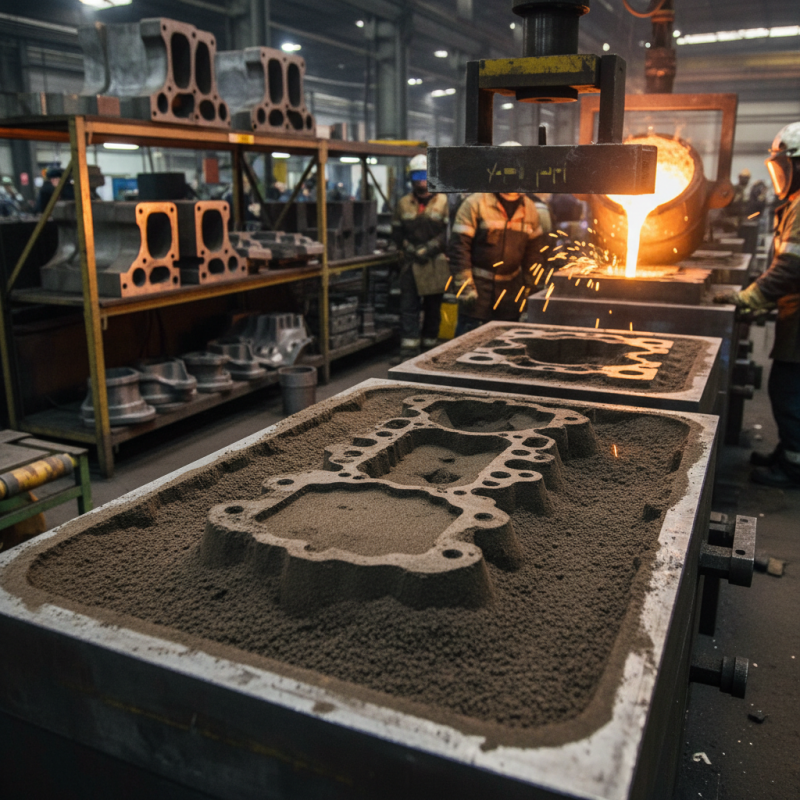
The sand molding process plays a vital role in the manufacturing industry. Its versatility allows for the production of complex shapes with a high degree of accuracy. According to a report by MarketsandMarkets, the global sand casting market is projected to reach $21.5 billion by 2026, emphasizing the importance of this technique.
Sand molds are created by compacting sand around a pattern. This method showcases flexibility in design and can accommodate various metals. Notably, over 70% of castings are made using sand molds, highlighting their dominance in the casting sector. However, one must consider the environmental impact of sand extraction. Sustainable practices are becoming essential as the demand grows.
Tips: Opt for reclaimed sand to minimize waste. Integrating this into your process can enhance sustainability. Furthermore, ensure proper ventilation during operations as fine sand particles can pose respiratory risks. Attention to worker safety is crucial.

The sand molding process is crucial in manufacturing due to its versatility and cost-effectiveness. Several key materials enhance its effectiveness. Silica sand is the primary ingredient. It creates molds due to its high melting point. This sand is abundant and relatively inexpensive, making it a preferred choice for many manufacturers.
Clay is another essential material used in sand molding. It acts as a binder, helping the sand grains stick together. Commonly, bentonite clay is used. It allows molds to retain their shape under heat. However, finding the right clay type can be challenging. Not all clay provides the same properties, leading to variable mold quality.
Water is also critical in this process. It helps activate the clay properties and influences mold strength. However, too much moisture can weaken the mold structure. This balance is hard to achieve, requiring careful monitoring. Other additives like graphite may improve surface finish, but their use is sometimes inconsistent. The sand molding process remains a dynamic field, requiring ongoing research and experimentation for better outcomes.
The sand molding process plays a critical role in manufacturing, particularly in the foundry industry. This method creates molds from sand mixtures, primarily used for metal casting. Sand molds are essential due to their adaptability and cost-effectiveness. In fact, industry reports indicate that approximately 60% of all cast parts in the U.S. are created using sand casting methods.
To create a sand mold, several steps are involved. First, a pattern is made, usually from metal or plastic. This pattern is then placed in a mixture of sand and binder. The exact ratio is crucial; too much binder can make molds weak. Compaction methods follow, ensuring the mixture adheres properly. Once set, the mold is ready for pouring molten metal. After casting, there is a need for cleaning and finishing. This step is often overlooked, leading to defects in the final product.
Quality control is paramount at each stage. Regular evaluation of sand properties, like grain size, influences the mold's strength. A study reported that poor sand quality can result in up to 20% of defects in cast parts. Manufacturers must monitor these factors to ensure precision. Improvement in the sand molding process is ongoing, but challenges remain. Consistency in the mold-making process can vary, leading to unexpected results. Each iteration is a learning opportunity, and reflection on past molds is necessary for progress.
Sand molding stands out for its unique efficiency in manufacturing. One of the core advantages is its flexibility. Molds can be produced quickly, accommodating various shapes and sizes. The nature of sand allows for easy modifications, making it suitable for both small and large production runs. This adaptability is a boon for industries that require diverse designs.
Another key benefit is cost-effectiveness. Sand is abundant and inexpensive compared to other materials. This lowers overall production costs. In addition, the sand molding process often requires less energy. It generates less waste, promoting sustainability. Yet, there are challenges. The quality of the sand is essential. Poor-quality sand can affect the mold's strength, leading to defects in the final product.
Accuracy is another aspect worth considering. While sand molding can achieve good precision, it's not always perfect. Some intricate designs may pose difficulties, leading to human error during the process. Also, the finishing work required can be labor-intensive. Despite these hurdles, the benefits often outweigh the drawbacks, reinforcing sand molding's place in modern manufacturing.
The sand molding process plays a critical role in various industries. It is not only cost-effective but also versatile. Many industries rely on this method to create complex shapes. For example, the automotive industry uses sand molds for engine blocks. These components must withstand pressure and heat. Sand molding allows for precision in creating these essential parts.
In the construction sector, sand molding is vital for producing concrete forms. Builders require molds that can withstand heavy loads. The process’s flexibility offers various sizes and shapes. It aids in creating intricate designs in architectural pieces. However, challenges exist. The quality of the sand and moisture content can impact results. A slight variation might lead to defects in the final product.
The energy sector also benefits from sand molding. It is used to manufacture turbine parts that generate power. These components must meet strict performance criteria. Any imperfection can lead to failures. Therefore, continuous refinement of the process is necessary. The industry must find ways to enhance mold quality. This ongoing need for improvement reflects the importance of this manufacturing method.
| Industry | Application | Benefits | Common Materials Used |
|---|---|---|---|
| Automotive | Engine blocks and components | High precision and durability | Silica sand, clay |
| Aerospace | Turbine housings and brackets | Weight reduction, complex shapes | Ceramic sand, resin-bonded sand |
| Construction | Structural components, molds | Cost-effective and easy to produce | Foundry sand, reclaimed sand |
| Manufacturing | Machinery parts | Versatility in design | Green sand, clay |
| Art and Sculpture | Artistic sculptures and replicas | Flexibility in artistic expression | Fine sand, polymer sand |
© 2025 EXCELSIUS MEDICAL All rights reserved
Taiwan Office
2F., No. 18, Ln.31, Sec.1, Huandong Rd.,
Xinshi Dist., Tainan City 744, Taiwan, R.O.C.
German Office
Zeppelinstr. 4, Haus 3&4,
D-85399 Hallbergmoos, Germany
