
The use of the Interlocking nail implant has revolutionized bone healing techniques. This method demonstrates a remarkable success rate of approximately 90% in stabilizing fractures. Such impressive statistics highlight its growing significance in orthopedic surgeries. A report by the American Academy of Orthopaedic Surgeons emphasizes that less invasive methods, like interlocking nails, lead to quicker recovery times. Patients often regain mobility faster, which is crucial for their overall well-being.
Despite these advantages, challenges remain in the effective implementation of interlocking nail implants. Some studies indicate complications such as infection or improper nail positioning could occur. Surgeons must carefully weigh these risks against the benefits of the procedure. However, advancements in surgical techniques and implant designs continue to enhance safety and efficacy.
As the medical field evolves, the interlocking nail implant remains a pivotal choice for bone healing. Future research may focus on optimizing this technique further, ensuring even higher levels of patient satisfaction and reduced recovery times. Overall, it is evident that this innovative approach plays a crucial role in the orthopedic landscape.
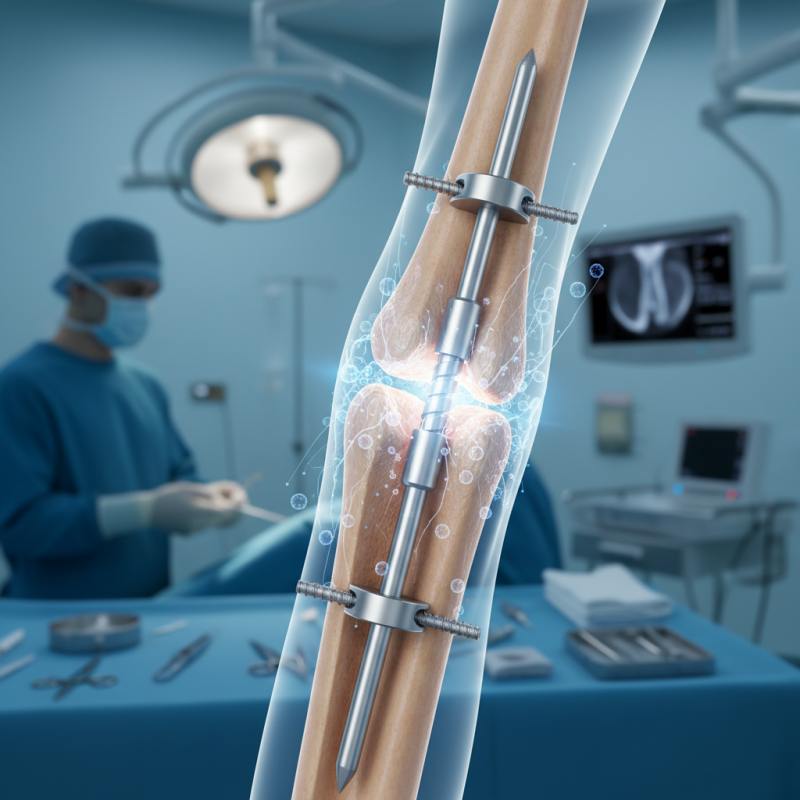
Interlocking nail implants have revolutionized orthopedic surgery. These devices offer numerous advantages for bone healing. They provide enhanced stability, which is crucial during the recovery process. The design allows them to lock into the bone, preventing any unwanted movement. This is vital for ensuring that fractures heal properly.
One significant benefit of interlocking nails is their versatility. They can be used for various fractures, including those in the femur and tibia. This adaptability makes them a popular choice among surgeons. Additionally, these implants reduce the need for extensive soft tissue dissection. Less damage to surrounding tissue can lead to quicker recovery.
Tips: Always discuss the potential risks with your doctor. Understand the healing process and what to expect. Regular follow-ups are essential for monitoring progress. Pay attention to signs of infection or complications. Healing can sometimes be slower than anticipated. Remember, patience is key in your recovery journey. Seek support from friends and family along the way.

Interlocking nail implants are a revolutionary solution for bone healing. They achieve stability through a unique mechanism that utilizes interlocking screws. This design enhances load-sharing, allowing for better distribution of stress across the fracture site. Studies have shown that using interlocking nails can lead to a 92% success rate in healing complex fractures.
The mechanism of action is fascinating. When the implant is inserted, it creates an internal framework. This framework allows for natural bone remodeling to take place. Factors like the stabilization provided by the interlocking screws facilitate faster healing times. Research indicates that patients may experience reduced recovery times—sometimes by weeks—compared to traditional methods.
Tip: Always consult with your orthopedic surgeon about the best options for your specific situation. Consider your lifestyle and recovery goals before deciding on an implant.
While interlocking nails offer numerous benefits, some challenges still exist. Potential complications, such as infections or malalignment, can occur. Patients must adhere to post-operative care instructions to mitigate these risks. Regular follow-ups with healthcare providers are crucial for monitoring healing progress.
Tip: Be patient with your recovery process. Each person's healing journey is unique.
Interlocking nail implants provide innovative solutions for bone healing. Unlike traditional fixation methods, they offer enhanced stability. This stability is crucial for effective bone repair. Interlocking nails work by providing internal support. They allow for better alignment during the healing process.
Traditional methods, such as plates and screws, have limitations. They can sometimes lead to complications like infection or improper alignment. These methods often rely heavily on external support. In contrast, interlocking nails support the bone from within. They reduce the risk of further injury during recovery.
A significant advantage is the minimally invasive approach. This can lead to shorter recovery times. However, interlocking nails may not be suitable for all fractures. Surgeons need to assess each case carefully. Clear communication with patients about potential risks is essential. This ensures realistic expectations during the healing journey.
Interlocking nails are a popular choice for bone healing, but their use is not universal. When considering interlocking nail implants, it’s crucial to understand their indications. They are often employed for long bone fractures, particularly those that are unstable. In cases of severe trauma or comminuted fractures, these nails provide structural support. They help to ensure proper alignment during the healing process.
However, interlocking nails are not suitable for everyone. There are several contraindications to be aware of. For instance, patients with active infections at the fracture site should avoid this method. Conditions like poor bone quality or certain metabolic disorders can hinder successful outcomes. Additionally, individuals with existing metal allergies may face complications. The complexity of each case must be carefully evaluated. Not every broken bone can benefit from these implants, and misusing them can lead to further issues. Each surgical decision requires thorough reflection and discussion with the medical team.
Post-operative care is crucial when using interlocking nail implants for bone healing. After surgery, patients must closely follow their doctor's recommendations. This may include specific movements to avoid. For instance, weight-bearing activities should be limited initially. The healing bones need time to regain strength and stability. It's essential to monitor pain and swelling. Any severe discomfort should be reported to a healthcare provider immediately.
Physical therapy often plays a vital role in recovery. It starts gently to encourage movement without stressing the implant. Exercises may focus on flexibility and gradual strengthening. Regular follow-ups will track progress. Some patients may experience frustration. Healing can take longer than expected, and improvement may feel slow. This period requires patience and determination, as setbacks can occur. Keeping a positive mindset helps to navigate these challenges effectively.
© 2025 EXCELSIUS MEDICAL All rights reserved
Taiwan Office
2F., No. 18, Ln.31, Sec.1, Huandong Rd.,
Xinshi Dist., Tainan City 744, Taiwan, R.O.C.
German Office
Zeppelinstr. 4, Haus 3&4,
D-85399 Hallbergmoos, Germany
