
Is Talcum Powder Safe for Daily Use and Health Concerns?

talcum powder has long been a staple in many households. Its soft texture and moisture-absorbing qualities make it popular for personal care. However, recent health concerns have emerged surrounding its safety for daily use. Many users trust talcum powder to keep skin dry. Yet, some studies suggest links to serious health risks.

The debate over talcum powder safety is complex. Some people cannot imagine their daily routine without it. They enjoy the fresh feeling it provides. Others are now questioning its use. They worry about potential risks like cancer or respiratory issues. These conflicting views create anxiety for consumers.

As we explore the topic, we can’t overlook personal experiences. Some users report no problems, while others cite worrisome side effects. It raises critical questions about safety standards and regulatory practices. The need for transparency in ingredient sourcing grows ever more relevant. Choosing to use talcum powder should be a well-informed decision. Awareness of its benefits and risks is essential for all users.
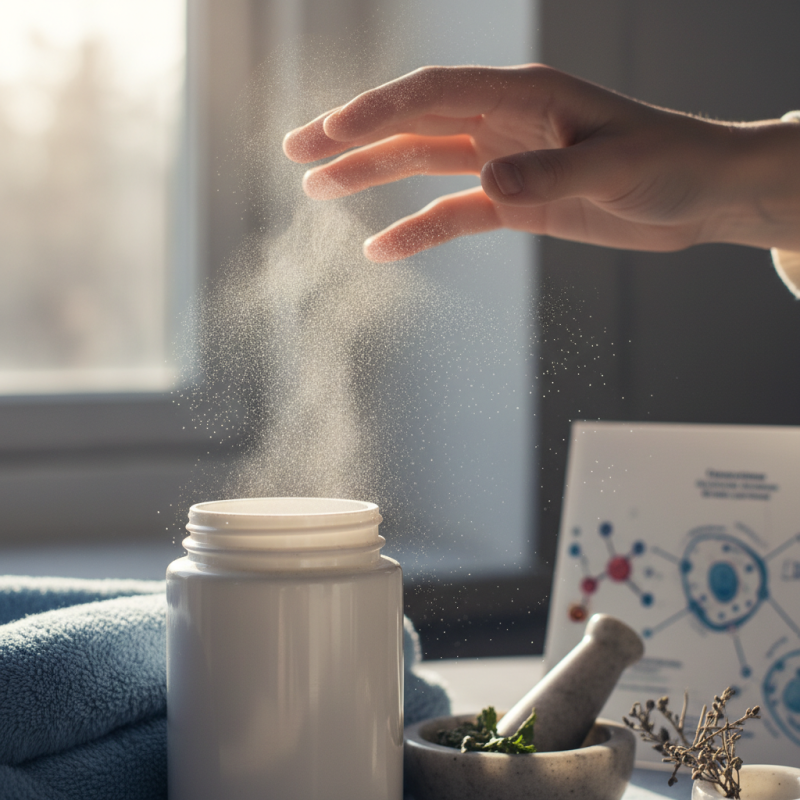
Is Talcum Powder Safe for Daily Use and Health Concerns?

Overview of Talcum Powder and Its Common Uses

Talcum powder is a fine mineral product derived from talc. It is commonly used for its moisture-absorbing properties. Many people apply it to their skin for a dry, smooth feel. Also, it’s found in cosmetics and baby products. According to market research, the global talcum powder market is projected to grow to $4.7 billion by 2027. This reflects widespread consumer use and trust in its safety.

Talc is often used in personal care products to prevent chafing and irritation. However, concerns about its safety have emerged. Some reports suggest a potential link between talcum powder and health issues, particularly when used in the genital area. The American Cancer Society notes that talc, when contaminated with asbestos, is a significant health risk. Even though most modern products are asbestos-free, caution is always advisable.

Tips: When using talcum powder, opt for products that are specifically labeled as talc-free. Consider natural alternatives like cornstarch or arrowroot powder. Always check ingredient labels for peace of mind. Keep in mind that excessive use, regardless of the product, can lead to skin issues. Always observe how your skin reacts. Listen to your body and reflect on your product choices.

Health Concerns Associated with Talcum Powder

Talcum powder has been widely used for various personal care products. However, health concerns have emerged over its safety, especially regarding long-term use. Studies have raised alarms about the potential link between talcum powder and ovarian cancer. The American Cancer Society suggests that using talc in the genital area may increase risk, but further research is needed.

Additionally, respiratory issues have been reported due to inhalation of talc particles. The World Health Organization indicates that talcum powder, when used liberally, can cause lung inflammation. Children are particularly vulnerable, as their lungs are still developing. The CDC notes that even small amounts can be harmful over time.

Despite these concerns, many continue to use talcum powder daily. It offers moisture control and a fresh feeling. Yet, the potential risks cannot be ignored. People should carefully consider their options and review available data. Awareness of talcum powder's risks is crucial for informed choices about personal care.

Regulatory Stance on Talcum Powder Safety

Regulatory bodies have scrutinized talcum powder due to ongoing health concerns. The U.S. Food and Drug Administration (FDA) outlines that talc must not contain asbestos. However, not all talc products are tested. A 2020 report indicated that some talc may still have traces of asbestos, raising red flags for daily use.

In recent years, studies have linked talcum powder to ovarian cancer and respiratory issues. The International Agency for Research on Cancer classifies talc as possibly carcinogenic. This is particularly crucial for people using talc in the genital area or for babies. The evidence can be troubling.

New regulations may advocate for better testing and transparency. Health experts suggest that consumers should be cautious. Many recommend alternatives to talcum powder. Safe, natural substitutes are easy to find. Yet, the market still sees heavy use of talcum products. It is vital to question what is considered safe for daily use. The conversation must continue as regulatory frameworks evolve.

Talcum Powder Safety and Health Concerns

Scientific Research on Talcum Powder and Cancer Risks

Talcum powder has been widely used for various purposes, especially in personal care. Recent studies have raised concerns about its safety. A significant review by the International Agency for Research on Cancer classified talc as possibly carcinogenic when contaminated with asbestos. Although many products are now asbestos-free, the potential risk remains a topic of debate.

Research indicates a link between talcum powder use and ovarian cancer. A study published in a reputable journal found that women who regularly used talc in the genital area had a 30% higher risk of developing ovarian cancer. This statistic is alarming and prompts consideration of daily use practices. The American Cancer Society suggests the need for caution, especially for those using talc long-term.

Experts emphasize the importance of making informed choices. While more studies are needed, the existing data calls for reflection. Many choose to seek alternative products, preferring natural options which do not carry these potential risks. The conversation around talcum powder is ongoing, highlighting the necessity for continuous research and vigilance in personal care choices.

Alternatives to Talcum Powder for Daily Use

Talcum powder has raised health concerns, pushing many to consider alternatives. There are several options you can try for daily use. Cornstarch is a popular substitute. It absorbs moisture well and keeps the skin dry, making it ideal for daily applications.


Using natural substances may also help. Arrowroot powder is another alternative. It helps reduce friction and is gentle on the skin. You can easily find it in organic stores or online.


Tips: When trying a new product, patch test it on your skin first. This minimizes the risk of irritation. Also, consider using essential oils for a pleasant scent. They can enhance your experience while keeping things natural. Be attentive to your skin's reactions over time. Not every alternative works the same for everyone.

Article Source: