How to Use Single Herb Granules for Health Benefits?
In the realm of natural health, Single Herb Granules have gained remarkable attention. These concentrated herbal extracts offer a practical way to experience the benefits of traditional herbs. Dr. Lisa Wong, a renowned herbalist, emphasizes their value: "Single Herb Granules make it easier for anyone to tap into nature's healing power."
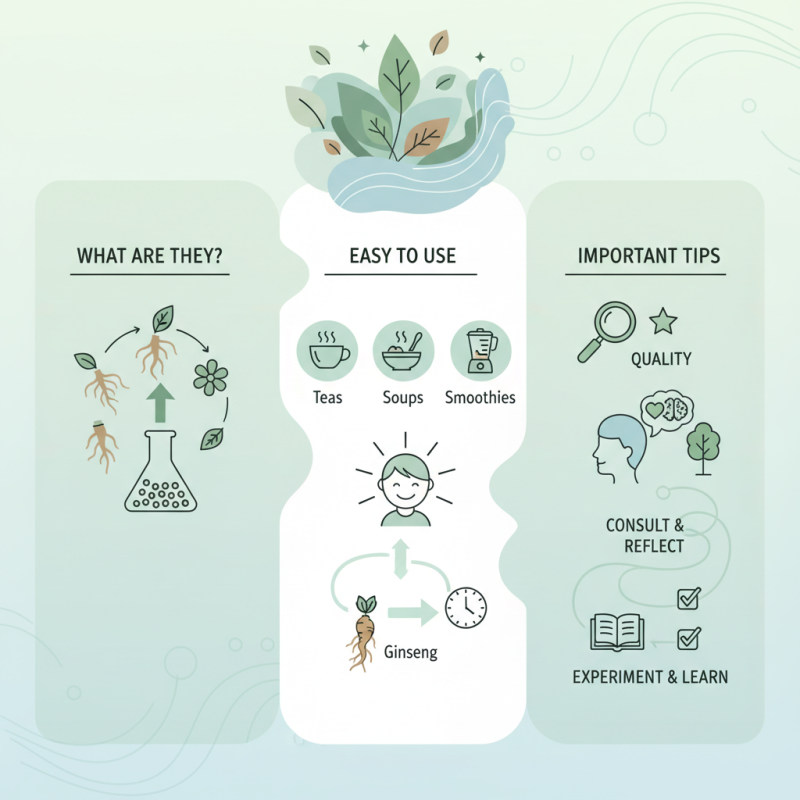
Using Single Herb Granules can elevate your daily wellness routine. You can easily incorporate them into teas, soups, or smoothies. Imagine starting your morning with a boost of energy from ginseng granules. They provide a convenient alternative to whole herbs that may require preparation.
Yet, navigating the world of herbs can be confusing. Not every granule is created equal. It’s essential to choose high-quality products. Some may not deliver the expected results. Always consider your health needs and consult experts when needed. Experimenting with Single Herb Granules can lead to beneficial discoveries, but reflection is crucial.
Understanding Single Herb Granules and Their Benefits
Single herb granules are concentrated forms of individual herbs. They are often used in herbal medicine for their potential health benefits. These granules can simplify the preparation process, making it easier to incorporate herbs into your daily routine.
Each herb has its unique properties. For instance, some herbs may support digestion, while others might enhance energy levels. It's important to understand each herb's characteristics before using them. This way, you can tailor your selection to fit your health needs. However, some granules may have a strong taste. Adjusting the dosage can make the experience more pleasant.
When using single herb granules, it's best to start with a small amount. This allows your body to adapt. You might notice changes, or you might feel nothing at all. It's a process of trial and error. Keep track of how you feel. This creates a clearer connection between the herbs and their effects on your body. Explore various options but be mindful of your reactions. Each person's experience can differ greatly.
How to Use Single Herb Granules for Health Benefits?
| Herb Name | Health Benefits | Usage Form | Recommended Dosage |
| Ginger | Aids digestion, anti-inflammatory | Dissolve in hot water | 1-2 grams daily |
| Turmeric | Anti-inflammatory, antioxidant | Mix with warm milk | 1-3 grams daily |
| Ginseng | Boosts energy, immune support | Infusion or powder | 0.5-2 grams daily |
| Licorice Root | Soothes throat, anti-inflammatory | Tea or granules | 1-2 grams daily |
Choosing the Right Single Herb Granule for Your Health Needs
Choosing the right single herb granule for your health needs requires careful consideration. Each herb has unique properties. For instance, ginseng is often used for energy. It may help improve focus and reduce fatigue. Lavender, on the other hand, is known for its calming effects. It can assist with stress and anxiety relief.
When selecting an herb, reflect on your personal health goals. Think about what you want to achieve. Are you aiming to boost immunity or improve digestion? With so many options, it may feel overwhelming at times. Try starting with one herb. Observe how your body responds over a few weeks. If something doesn’t work, don't hesitate to switch.
Remember that individual responses to herbs can vary widely. What works for one person may not work for another. It’s essential to listen to your body. Pay attention to how you feel after incorporating a new granule into your routine. Consider consulting a health professional for guidance. Finding the right herb can be a journey of trial and error. Embrace the process; it’s part of discovering what truly benefits you.
Methods of Consumption: How to Use Single Herb Granules
Single herb granules offer a convenient way to incorporate herbal benefits into daily routines. The methods of consumption can vary significantly, impacting their effectiveness. One popular method is steeping granules in hot water, creating herbal tea. Research suggests that this method can enhance bioavailability. It allows beneficial compounds to be extracted readily. A study noted that herbal teas could be absorbed more effectively than solid herb forms.
Another approach is mixing herb granules into smoothies or soups. This method not only masks the taste but also provides a nutrient boost. Combining them with other healthy ingredients may amplify their effects. However, it is essential to monitor the quantity used. Overconsumption can lead to unwanted side effects. Each herb has its own recommended dosage, and exceeding it might negate the potential health benefits.
Incorporating granules into cooking requires some experimentation. Different herbs pair well with various dishes, so there’s room for creativity. Yet, the response to these herbs varies among individuals. Some may find that particular granules don’t agree with them. It is essential to listen to the body and adjust accordingly.
Dosage Recommendations for Effective Use of Single Herb Granules
Using single herb granules can be beneficial for your health. However, it's crucial to take the right dosage for effective results. Generally, the recommended dosage varies based on the herb. Many suggest starting with a lower amount to see how your body reacts. This helps prevent any adverse reactions.
Tips: Always consult a healthcare professional before starting any new supplement. They can guide you on the right dosage for your specific needs. If you feel discomfort after taking a granule, it might be wise to reduce the dose or switch herbs.
Pay attention to how your body feels. Some people may need more or less than the average dose. Consider keeping a journal of your experiences. This method helps track the effects of the herb and adjust the dosage accordingly. Ultimately, finding the right balance is essential for integration into your routine.
Precautions and Potential Side Effects to Consider
When using single herb granules, it is essential to consider precautions and potential side effects. Many believe these granules are natural and safe. However, studies reveal that not all herbs are suitable for everyone. Research indicates that certain herbal ingredients can interact with medications. For example, over 30% of individuals taking herbal supplements reported adverse reactions alongside prescription drugs.
Allergic reactions are another concern. Some people experience nausea, rashes, or headaches after consumption. A survey found that 15% of users had mild to severe allergic responses.
Even long-term use can lead to complications. For instance, excessive intake of licorice root can elevate blood pressure, posing risks to those with hypertension.
Pregnant or nursing women should exercise caution. Certain herbs can affect fetal development or interfere with breast milk production. It is advisable to consult a healthcare professional before incorporating any herb into a wellness routine. Ultimately, awareness of these potential side effects is crucial for safe and effective use of single herb granules.
Always consider individual health conditions and seek professional guidance when needed.